Search This Blog

Showing posts with label heating. Show all posts

Monday, October 19, 2026

Why Everyone Needs a Wood-Burning Stove

 Why Everyone Needs a Wood-Burning Stove

By Marge Padgitt

If you live in the Midwest, Northeast, or Northwest, you may have experienced a power outage and know what a cold winter night without heat feels like. For Midwesterners, a wood-burning stove is a must-have because we can't rely on a gas furnace, boiler, or electric heater if the power goes out. They all require electric fans to push warmed air throughout the house. I experienced this for three days during a “freak” snowstorm in the early 2000s, and I know firsthand what it is like. At that time, I wished we had taken a trip to Florida instead of remaining in our house!

And don’t consider using a kerosene heater inside a house unless you plan to open the doors and windows to exhaust the toxic fumes, which isn't very practical. People have died trying this method.

Instead, consider purchasing a freestanding wood stove, or if you have a masonry chimney, a wood stove insert, which takes up less room and still provides adequate heat.


Benefits of wood stoves:

  • Wood-burning stoves work without electricity or fans (unlike gas furnaces or pellet stoves).
  • Wood stoves and inserts produce TWICE the heat (BTUs) of gas stoves or inserts!
  • Fuel is readily available, either from your own on-site trees or from a firewood dealer.
  • A wood stove or insert needs no electricity to work! In an emergency, when the power is out, you can stay in your home instead of going to friends or family or a hotel.
  • With a freestanding stove, you can cook on top (I did it during the blizzard!).


Using a wood-burning stove during fall and winter as a supplemental heat source can help you save money on gas bills and provide more comfortable, even heat. Radiant heat from a wood stove has more health benefits than a gas furnace or electric baseboard heaters. Arthritis and Fibromyalgia sufferers can find relief from pain when sitting near a wood stove, and the cat or dog will love it, too. They seem to know the best place to go to get comfortable.

Decent-quality wood stoves aren't inexpensive, but they are worth the investment. A good stove will last many years, so buy one from a reputable manufacturer such as Regency, Hearthstone, Valor, Lopi, Pacific Energy, or Blaze King. Note: beware of box-store wood stoves with no or limited warranty that may burn out after a few seasons. 

EPA-approved wood-burning stoves and inserts are 75%+ efficient, meaning most of the heat stays in your house rather than going up the flue like a standard open fireplace. 


Note: You can install wood-burning appliances ONLY in MASONRY chimneys with a stainless-steel flue liner or in a CLASS A chimney with a wood chimney chase. Only a professional who knows the codes and installation methods should install these appliances. Incorrect installation can be a fire hazard.  Installation will likely require a permit. Your insurance provider may require an annual inspection by a professional chimney sweep.

Note: Blowers on gas or wood-burning appliances will NOT work if the power goes out unless you have a generator. But the stove will still provide enough heat to keep you warm. Larger homes may require two wood-burning appliances.  

Operation and Maintenance:
1. Purchase or obtain wood at least 6 months in advance of the season to make certain the wood is dried properly. Do not wait until fall. Hardwood burns longer than softwood, but both will do the job. Do not burn Hedge since it burns extremely hot and may damage your stove.

2. Purchase an inexpensive moisture meter to check wood moisture content before using and make sure it is 20% or less. Wet wood creates more creosote in the flue and creates a dirty burn.

3. All wood-burning stoves create creosote buildup, which must be removed by brushing the flue at least once per year. Sometimes a mid-season sweep is needed if the stove is used regularly. A professional should do this task.

4. Only use dry pine for kindling to get a stove started – do not use large pieces of pine since it burns extremely fast and hot. Don’t burn a dry Christmas tree in a stove or fireplace, either. Fatwood is a good Firestarter, too.

5. Negative house pressure can adversely affect wood-burning (or gas-burning) appliances and may cause a reverse draft. For this reason, we suggest installing a Draw Collar on the wood-burning appliance if the home is under negative pressure.  

For more information, visit www.chimkc.com
_____________________________

Marge Padgitt is the president of Hearthmasters chimney service in Independence, Missouri, and author of Wood-Fired Heating and Cooking, Your House is Killing You, and the Chimney Pro's Resource Book. She is a speaker, talk show guest, and instructor. Visit www.chimkc.com or www.hearthmasters.net for more information.

Thursday, November 30, 2023

Choosing the Right Hearth Appliance

Since there are so many options for hearth appliances, it can sometimes be difficult to make a decision. There are many choices available now from old school open fireplaces that actually take heat from the house to high-tech hybrid masonry heaters that heat an entire house with very little wood. Both gas and wood-burning appliances are available, and making the right choice can mean the difference between thoroughly enjoying a fire or regretting the day you decided to make a purchase. 

High-efficiency wood-burning insert
First and foremost, it is critical to purchase a quality appliance from a reputable hearth dealer or chimney sweep, and that the installer is certified by the National Fireplace Institute and/or the Chimney Safety Institute of America (preferably both), or the National Chimney Sweep Guild. These Certifications show that the installer is trained in their field. Also be sure to find out if the dealer is properly licensed by the local contractor agency and pulls a permit from the city codes department if required by your city. Professional dealers carry quality products. 

Buying from a big box store or local farm store may be tempting because of the low prices. The price reflects the quality, workmanship, and the warranty of the appliance, and that is why these types of stores sell the cheaper items. The metal is not as thick, the welds may not be as strong, and some stores even continue to sell non-EPA approved appliances which are not legal. You may also find non U.L. listed products online or in stores and that is a big problem since your local codes likely don't allow them. There is a reason - these appliances are inferior and could be a fire hazard in the near future. We've actually seen cheap stoves burn out in one season. 

Another problem with box store hearth appliances (other than electric units which are OK) is that they don't provide a qualified installer to install it. Gas and wood-burning stoves and fireplace inserts should only be installed by a qualified professional, and the manual likely states that or the warranty is voided. There is a reason for this, too - there are too many mistakes that could be made that can cause a fire or Carbon Monoxide hazard.

Below is a chart I made to help people choose the appliance that is right for them: 
If you can't read the small print, go to our website at www.chimkc.com and you'll find this same page under appliances. 

Things never to buy: 
  • Non-U.L. Listed appliances
  • Barrel-stove kits (unsafe and not U. L. listed)
  • Non-EPA approved appliances
  • Older appliances that were made prior to 1989 (f you have one, get rid of it unless it is a rare early EPA approved and U.L. listed product)
And do not sell your old appliance - have it hauled to the dump. It is illegal to install a non-approved appliance in most jurisdictions. 

Remember that your local jurisdiction may REQUIRE a professional to do the installation, including the chimney or flue liner and connecting pipe, components, chimney cover, wall and floor protection, etc. and won't let homeowners DIY. 

THIS IS NOT A DO IT YOURSELF PROJECT!

House fire 
Let me repeat that - this is not a DIY project. I don't care how handy you are, if you are an engineer, contractor, or genius -if you are not a hearth or chimney professional you will miss something important!

After all, we are talking about FIRE in your house! 

I don't suggest using non-venting gas logs (see my article To Vent or Not to Vent on this blog for more info), or pellet stoves. Pellet stoves require weekly maintenance by the homeowner, which they never do, and then the stove stops working. There are also times when in the middle of winter it is impossible to find pellets. So for this reason I say stay away from pellet heating appliances. Pellet grills and smokers, on the other hand, are very easy and fun to use and you can always get pellets in the spring.  

Keep in mind that the newer the appliance the cleaner burning it is. The Environmental Protection Agency has come down hard on wood-burning appliance manufacturers and they've really stepped up and are now making super clean burning products. Some wood-burning stoves and inserts are hybrids, which means that a catalytic combustor is installed along with a secondary burn chamber. 

Custom masonry heater
by Gene Padgitt
So what is my favorite heating appliance?  Masonry heaters, of course. Masonry heaters use 1/3 the wood of a new clean- burning wood stove to produce the same amount of heat. They also retain the heat for long periods of time then emit this in the form of radiant heat throughout the day or evening, and only require loading twice per day. And no fan is required. 

If you prefer gas, go with a high-efficiency direct vent gas insert that will provide ambiance and heating and is easy to use with a remote control! 

If you are considering a fireplace insert because your chimney is damaged by a chimney fire or rainwater, remember to ask your chimney sweep to remove the creosote in the flue and chamber first. Creosote can cause bad odors, but more importantly can catch on fire when exposed to heat from the flue liner that comes with the stove. 

I know, this is a lot to consider, but hopefully it makes your decision a bit easier. 


For more detailed information, get our book
Wood-Fired Heating and Cooking at Amazon.com
____________________________

Marge Padgitt is a veteran chimney specialist in Kansas City, Missouri. She is a former CSIA Certified Chimney Sweep and NFI Certified Wood-burning Specialist. Contact her at hearthmasters.office@gmail.com.  

Tuesday, June 7, 2022

Everyone Needs a Wood Stove for Emergency Heating!

With the economy in shambles and the cost of everything going up, including oil, gas, and electricity, the one piece of advice I can give to people is this:


Everyone needs a wood-burning stove or fireplace insert in their home for emergency heating and NOW is the time to buy!
 
Wood-burning stove insert by Regency

  •  Wood-burning stoves work without the use of electricity or fans (unlike gas furnaces or pellet stoves).
  •  Wood stoves and inserts produce TWICE the amount of heat (BTU's) than gas stoves or inserts!
  •  Fuel is readily available either by using your own trees on site or purchasing through a firewood dealer. Tip: Buy NOW.
  •  No electricity is needed for a wood stove or insert to work! In case of emergency when the power is out you'll be able to stay in your home instead of going to stay with friends or family or going to a hotel.
  •  With a freestanding stove you can cook on the top if needed.

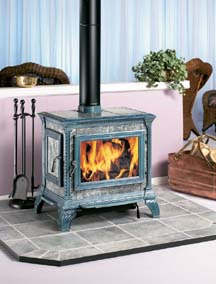
Freestanding wood-burning stove by Hearthstone
Use a wood-burning stove during fall and winter as a supplemental heating source to save money and provide a more comfortable, even heat. Radiant heat from a wood stove or masonry heater has more health benefits than a gas furnace or electric baseboard heaters.

Good quality wood stoves aren't inexpensive - but they are worth the investment. A good stove will last many years. Note: beware of box store wood stoves that have no or limited warranty and may burn out after a few seasons. 

New EPA approved wood-burning stoves and inserts are 75%+ efficient which means that most of the heat is staying in your house rather than going up the flue as with a standard open fireplace. 

 
Bonus: Get a TAX CREDIT for an efficient wood stove or insert up to 26% in 2022 and that includes labor and all materials!

Call us if you are in the greater Kansas City area or another professional chimney sweep our hearth dealer to discuss upgrading your inefficient open fireplace to a high-efficiency wood-burning insert, or if no fireplace is available you can have a freestanding wood stove along with a Class A chimney or stainless steel chimney liner installed. Note: These appliances can ONLY be installed in MASONRY chimneys or with a CLASS A chimney.

A word about GAS: If you have a gas-burning insert or stove, it will likely work with no power available. They just produce HALF the amount of heat as a wood-burning appliance.

Note: Blowers on gas or wood-burning appliances will NOT work unless you have a generator. But they will still provide heat. 
 
Find a professional installer at www.nficertified.org or www.csia.org. 

_____________________________

Marge Padgitt is a chimney industry veteran and author of Wood-Fired Heating and Cooking and the Chimney Pro's Resource Book. She is a speaker, talk show guest, and instructor. Visit www.chimkc.com or www.hearthmasters.net for more information.

Monday, August 2, 2021

Efficient Heating with Wood and a Tax Credit to Boot!

Have your cake and eat it too, as they say. Homeowners who purchase a high-efficiency wood-burning appliance in 2022 and 2023 can take advantage of not only efficient and clean-burning heat but receive a nice tax credit as well.

People living off grid or who aspire to a self-sufficient lifestyle love using wood-burning appliances for heating, and in some cases, cooking. Anyone who heats with wood will attest to the fact that it is much less expensive than forced air appliances or electric heating, especially if they can fell trees off of their own land, but the benefits don’t end there. The healing radiant energy produced is a welcome effect for arthritis and fibromyalgia sufferers. Not to mention that sitting in front of a toasty fire in the middle of winter just cannot be beat.

Freestanding stove
Wood-burning freestanding stoves can be installed in almost any location in a home and use a Class A metal chimney or can be connected to a masonry chimney with a stainless-steel flue liner. Wood-burning fireplace inserts may be installed into a masonry fireplace with a masonry chimney with the use of a smaller stainless steel flue liner. They cannot be installed in prefabricated metal fireplaces or use a prefabricated metal chimney. This applies to pellet stoves and inserts as well with a different type of vent.

Anytime changes are made to a fireplace a Level 2 camera inspection is required in most jurisdictions and recommended in any case. A professional CSIA Certified Chimney Sweep should do this inspection. Find one at www.csia.org.

Site built masonry heater by
Gene Padgitt

Masonry heaters are site-built masonry appliances with interior channels that trap heat. The
masonry absorbs the heat, then releases it into the room. Houses with open floor plans are best suited to this type of heater since it does not use fans or ducts to distribute heat. Radiant heat is emitted from all four sides of the appliance. There are kits manufactured which may include only the heater core, or the entire finished product. Heater masons also build masonry heaters without kits.  Masonry heaters are the most efficient type of wood-burning appliance, and they use 2/3 less wood than a high-efficient wood-burning stove. For more information visit www.chimkc.com or www.mha-net.org.

In recent years, the wood-burning industry has modified and improved their products to the point that they now produce extremely efficient appliances that burn clean with little emissions. Some are better than others, but appliances with an efficiency rating of 75% or higher and approved by the EPA (Environmental Protection Agency), will provide home heating and be eligible for the credit. Older, less efficient appliances do not qualify for the tax credit.

Appliances that were made prior to 1989 likely do not meet the earlier EPA standards and therefore, are not allowed to be installed in homes. So, think twice before purchasing a used woodstove.

The U.S. Biomass Tax credit allows for a tax credit of 26% of the purchase and installation costs for eligible products purchased and installed between January 1, 2021 and December 31, 2022. Appliances must have an efficiency rating of 75% or more.

For eligible products purchased and installed between January 1, 2023 and December 31, 2023, the tax credit is reduced to 22% of the purchase and installation costs. Any eligible product purchased in 2020 but installed in 2021, can be claimed on a 2021 tax return. Products must be claimed on the tax return year in which the product installation is complete. Keep your receipts for your accountant and register your appliance on the manufacturer website.

The nice thing about this government offer, which likely will not be repeated, is that not only is the appliance itself covered in the Tax Credit, but the chimney pipe or flue liner and labor for installation as well. This can add up to a hefty amount.

Now for the not-so-good news: Be prepared for a long wait time for your new appliance since manufacturers are having a hard time keeping up with the demand. And prices on everything have gone up and will likely continue to climb. So, order that new appliance now even if you have to wait a few months for the installation.

Marge Padgitt is a chimney industry veteran and author of Wood-Fired Heating and Cooking. Reach her at hearthmasters.office@gmail.com.