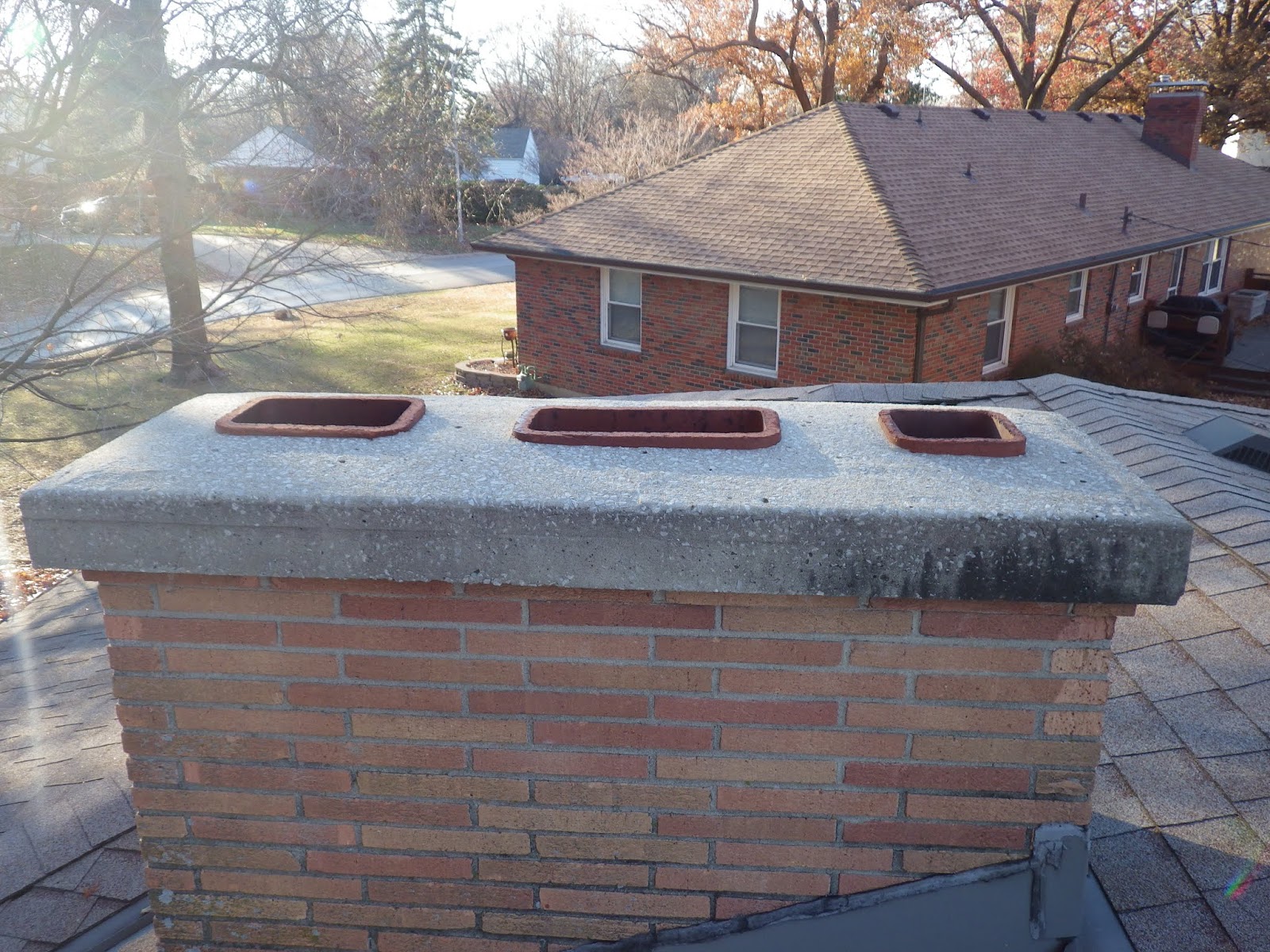
.jpeg)
Understanding the Importance of Chimney Maintenance
Chimneys are exposed to various environmental factors,
including rain, snow, and extreme temperatures, which can lead to deterioration
over time. Regular maintenance is vital for preventing costly repairs and
ensuring the safety of your home. Here are some key reasons why chimney
maintenance should be a priority:
Safety Concerns
A poorly maintained chimney can pose serious safety hazards,
including the risk of chimney fires and carbon monoxide poisoning. Creosote
buildup, a byproduct of burning wood, can ignite and cause a fire within the
chimney. Regular cleaning and inspections can help mitigate these risks.
Structural Integrity
Over time, moisture can seep into the masonry, leading to
cracks and deterioration. If left unaddressed, these issues can compromise the
structural integrity of the chimney, potentially leading to costly repairs or
even collapse.
Efficiency
A well-maintained chimney ensures proper ventilation for
your fireplace or heating system. Blockages or damage can hinder airflow,
reducing the efficiency of your heating system and increasing energy costs.
Signs of Damage to Look For
Being proactive in identifying signs of damage can save you
from more extensive repairs down the line. Here are some common indicators that
your chimney may need attention:
Cracks and Gaps
Inspect the exterior of your chimney for visible cracks or
gaps in the bricks or mortar joints. These can develop due to thermal
expansion, settling of the foundation, or freeze-thaw cycles. Addressing these
issues promptly can prevent further damage.
Spalling Bricks
Spalling occurs when the surface of the bricks begins to flake or chip away, exposing the inner layers. This can be caused by moisture infiltration, rain, and freeze-thaw cycles. Spalling not only affects the appearance of your chimney but also compromises its structural integrity. If you see spalling bricks, have them replaced. If a large area of the chimney is spalling it may need to be rebuilt. Soft bricks are more susceptible to moisture penetration than hard bricks, but unfortunately, builders use soft bricks in many cases because they are less expensive.
.jpeg) |
| Effleorescence |
Efflorescence
Efflorescence appears as white stains on the chimney surface, caused by the migration of salts to the surface due to moisture evaporation. While not harmful in itself, it can indicate underlying moisture issues in the interior that need to be addressed. In most cases, efflorescense is seen on the utility flue side where the water heater, furnace, or boiler are located. Inspection of the interior flues in the chimney are critical to check for washed out mortar joints, gaps, or even missing flue tiles, and properly sized flue liners.
Water Stains
Look for water stains on the ceiling or walls near the chimney. These can indicate leaks caused by damaged flashing or deteriorated chimney crowns. If left unchecked, water intrusion can lead to mold growth and wood rot. The chimney should be inspected by a professional, who knows how to do leak checks and find the source(s) of the problem.
Smoke and Odors
If you notice smoke or unpleasant odors entering your home
when using the fireplace, it may indicate blockages or airflow problems. Common
causes include creosote buildup or debris obstructing the flue.
Regular Inspections: A Key Component of Maintenance
Conducting regular inspections is crucial for identifying
potential issues before they escalate. Here’s how to approach chimney
inspections:
Frequency of Inspections
It is recommended to have your chimney inspected at least
once a year by a qualified professional chimney sweep. This ensures that any signs of damage
or deterioration are caught early.
 What to Expect During an Inspection

During a professional inspection, the technician will assess
the condition of the chimney structure, check for signs of damage, and
recommend necessary repairs or maintenance. They will also inspect the flue for
blockages, make sure the damper is functioning correctly, check for proper sizing of the flue liner, inspect the smoke chamber, ensure that the chimney cap is in good condition and more. A pro will use a chimney camera system to inspect the interior of the chimney and provide a written report with photos.
Cleaning Your Chimney
Regular cleaning is essential for maintaining the safety and
efficiency of your chimney. Here’s how to approach chimney cleaning:
When to Clean
Schedule a professional chimney cleaning at least once a
year, or more frequently if you use your fireplace or wood-burning insert regularly. If you notice a
buildup of soot or creosote, it’s time for a cleaning.
DIY Cleaning Tips
If you choose to clean your chimney yourself, ensure that you have the proper tools, including a properly sized chimney brush, a vacuum, tarps, and protective gear. Start by removing the fireplace grate and any ashes, then use the brush to scrub the flue from top to bottom. Note: we do not recommend doing this job yourself unless a pro is not available.
Waterproofing Your Chimney
Applying a waterproof treatment can help protect your
chimney from moisture damage. Here’s what you need to know:
Benefits of Waterproofing
Waterproofing helps prevent water absorption, which can lead to brick deterioration and weakening or deterioration of mortar. It is recommended to reapply the sealant every 2-5 years or when water no longer beads up. Professional chimney sweeps have access to professional-grade water repellent that is not available to the public.
Installing a Chimney Cover
A chimney cap serves as a protective barrier against rain,
snow, debris, and animals entering your chimney. Here’s why it’s important:
Benefits of a Chimney Cover
A properly installed chimney cap helps prevent moisture
damage and reduces the risk of chimney fires caused by debris buildup. It also
keeps birds and animals from entering your chimney and making flammable nests or blockages.
Maintenance of the Chimney Cover
Regularly inspect the chimney cap to ensure it is securely
in place and free of debris. If you notice any damage, consider replacing it
promptly.
Monitoring for Damage
Being vigilant about monitoring your chimney can help catch
issues early. Here are some tips:
Visual Inspections
Conduct monthly visual inspections of your chimney and
fireplace. Look for loose bricks, cracks, or signs of water damage. If you
notice any issues, contact a professional for further assessment.
Seasonal Maintenance
Perform seasonal maintenance checks, especially before and
after the burning season. In the spring, inspect and clean your chimney to remove smelly creosote and assure it is ready for fall. Also check for any damage that may
have occurred during the winter.
Safe Burning Practices
Practicing safe burning techniques can help minimize
creosote buildup and protect your chimney. Here’s how:
.jpeg)
Use Seasoned Wood
.jpeg)
Always use seasoned hardwoods in your fireplace or wood-burning stove. These woods produce less creosote compared to unseasoned or softwoods, however, all wood creates creosote that must be removed at some point. Do not burn hedge or dry pine because these woods burn very hot and fast and can lead to a chimney fire. Check moisture content with a moisture meter and make sure it is at or under 20%.
Avoid Burning Trash
Never burn trash, cardboard, wrapping paper, railroad ties, or other materials that can
release harmful chemicals and contribute to chimney damage. Stick to burning
only dry, seasoned wood.
Scheduling Professional Repairs
If you notice significant damage or structural issues with
your chimney, it’s essential to contact a certified chimney professional for
repairs. Here’s what to consider:
Choosing a Professional
Look for a chimney service provider with experience and
positive reviews. Ensure they are certified and knowledgeable about masonry
repairs.
Importance of Timely Repairs
Addressing chimney issues promptly can prevent further
damage and ensure the safety and efficiency of your heating system. Don’t wait
until minor problems escalate into major headaches.
Conclusion
Maintaining a masonry chimney is crucial for ensuring its
longevity, safety, and efficiency. By conducting regular inspections, cleaning,
and addressing any signs of damage promptly, you can keep your chimney
functional for years to come. Remember, when in doubt, consult a professional
to ensure that your chimney remains a safe and reliable part of your home.
By following these guidelines, you can enjoy the warmth and
ambiance of your fireplace with confidence, knowing that your chimney is
well-maintained and safe for use.
--------------------------
Marge Padgitt is the co-owner of HearthMasters and HearthMasters Publishing. She was a Certified Chimney Sweep from 1990-2004, and an NFI Certified Woodburning Specialist from 2003-2024, when she semi-retired from contracting. Marge is the author of Wood-Fired Heating and Cooking, Your House is Killing You, and The Chimney and Hearth Pro's Resource Book. www.chimkc.com